Robot → CAD & Technical

CAD & Technical

From Idea to Robot

Design a Robot With Us

Step 1: Design

Step 1: Design

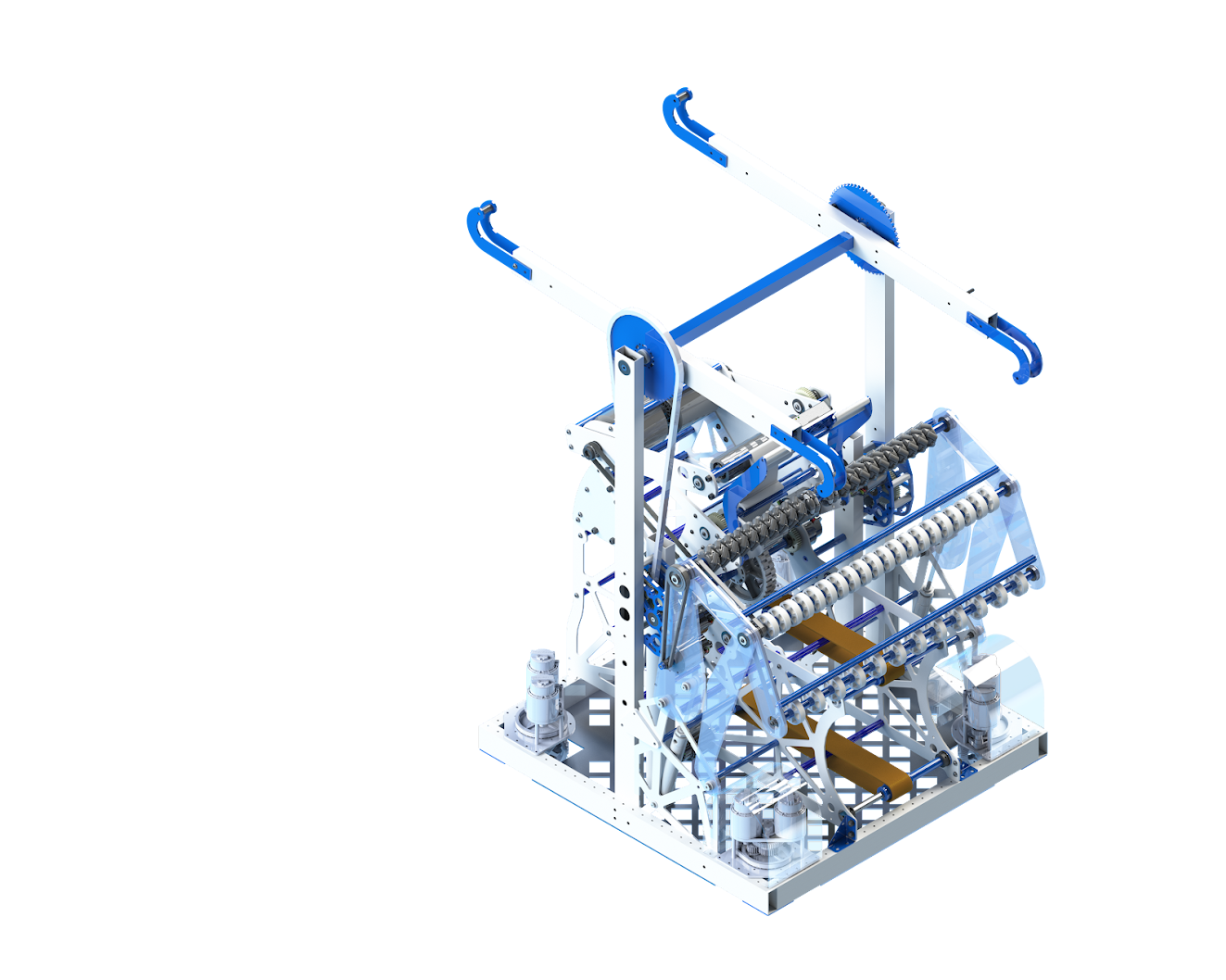
The Design Integration subteam starts off the competition season by researching designs and discussing strategy with the team at large, aiming to solidify strategic goals as early as possible. Next, Design Integration decides the mechanisms and subsystems that will allow those goals to be met before working with layout sketches and block CAD to “prototype” their designs, analyzing their work for potential conflicts or points of failure and iterating appropriately. Throughout this process, Design Integration is responsible for communicating constantly with other Technical subteams to ensure that their designs and ideas align with their needs, such as the placement of electronic components or ease of machining. Finally, Design Integration spends the bulk of the season building detailed models of each subsystem before combining them into a complete robot, then iterating on smaller scales in response to failures or feedback from the field.
Step 2: Mechanical

Step 2: Mechanical

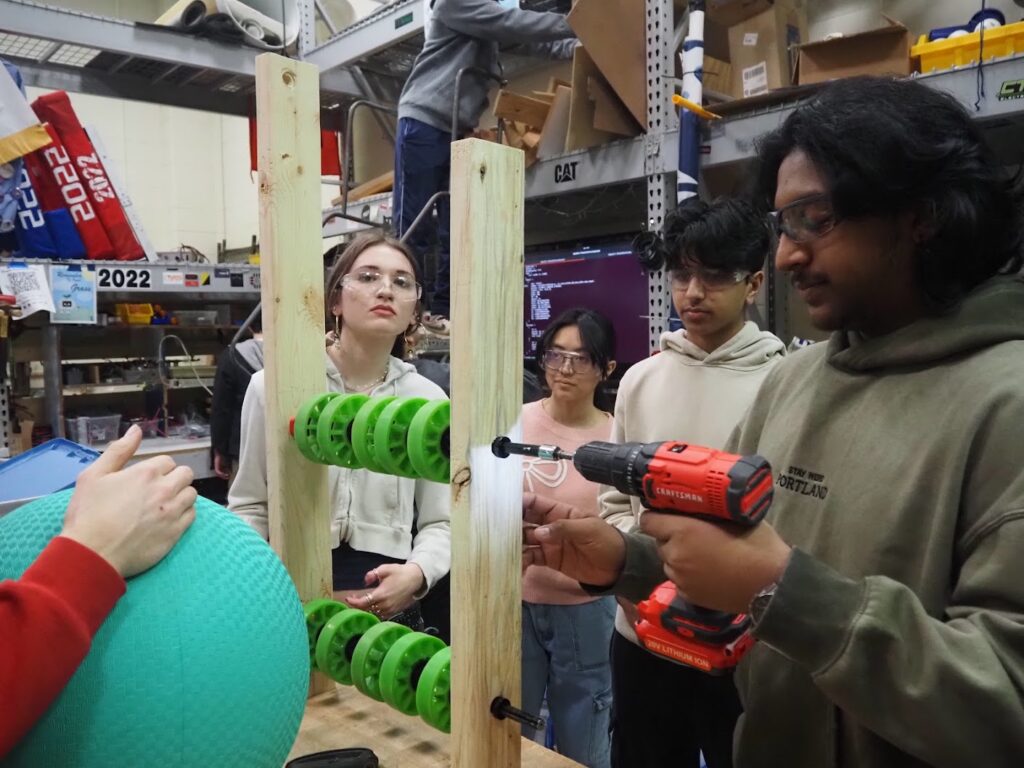
The Mechanical subteam is Jack-of-all trades team, where members are expected to have interdisciplinary knowledge of technical teams so that they can ground their designs and processes in the reality of building the robot. We will start the season off with safety and technical training, where members are encouraged to learn the basics of other subteams. Mech members will be expected to know where and what components in the lab are, how to safely and use both hand-held and heavy machinery, how to set-up and safely use the CNC, and how to interact with the CAD model of our robot. We are responsible for the assembly of the robot, so we are expected to have a team that can help work through issues that arise with our or other subteams. Our goal is to assemble a robust robot, work with other teams to fix issues, and enable the team to have a successful season.

Step 3: Electrical

Step 3: Electrical

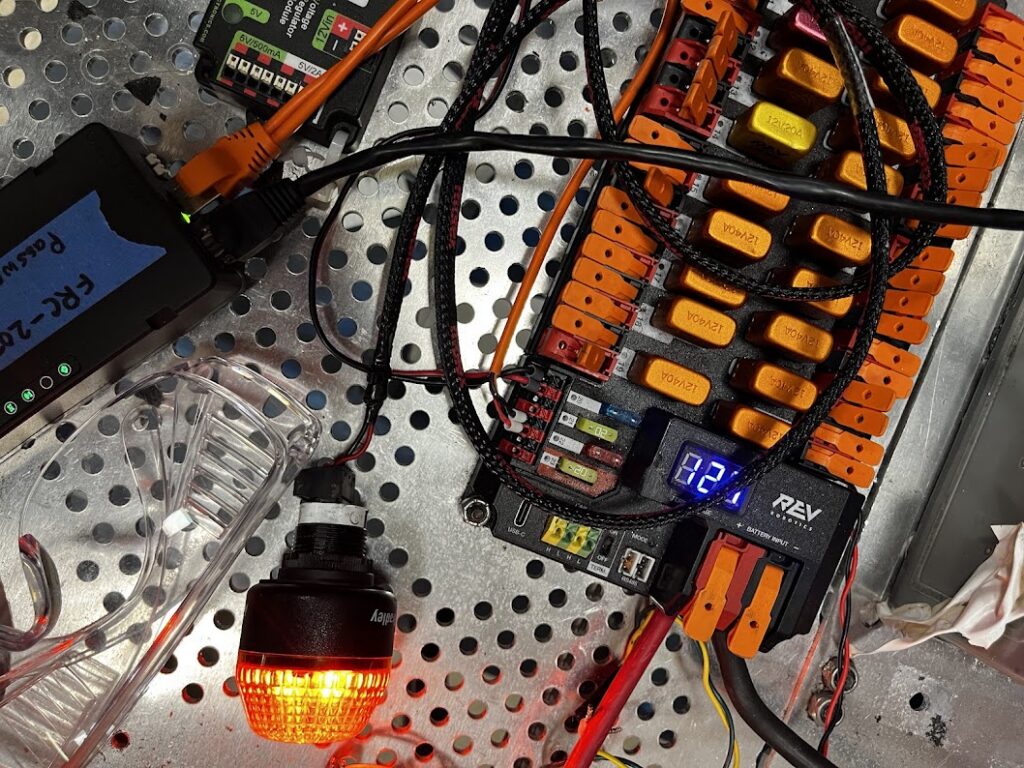
Electrical is a team that focuses on an understanding of interconnectivity and proper management. Our curriculum focuses on solving issues when they arise and learning through hands-on work. Knowledge for the robot and how it operates falls under a couple different categories: how each component is powered, how information is shared, how components work together, and what it looks like to have good practices in both wiring and component management. We will utilize many techniques like redundancy and proper management to prevent errors before they occur as well as making the lives of electrical and the rest of the team easier. Documentation will be enforced to document errors, fixes and how it may be fixed in the future to help for this year and years to come. And most importantly, we will prioritize communication with teams like Mechanical and Design Integration to prevent communication issues and points of failure.

Step 4: Programming

Step 4: Programming

The programming subteam takes the robot’s mechanical design and strategic goals and writes software resulting in reliable behavior. At the start of the season, we work with the other subteams to identify what each mechanism must do, and how sensors and motors are involved. We then write subsystem code according to the bot’s design, using Java and WPILib. We also implement autonomous routines, and vision alignment as needed. Features are tested first through simulation before being integrated onto the full robot. Throughout the season, programmers work closely with the rest of technical to diagnose problems and maximize performance. At competitions, we analyze logs and repair software issues. Programming’s overall goal is to produce software that is reliable and easy for the drive team to use under pressure.